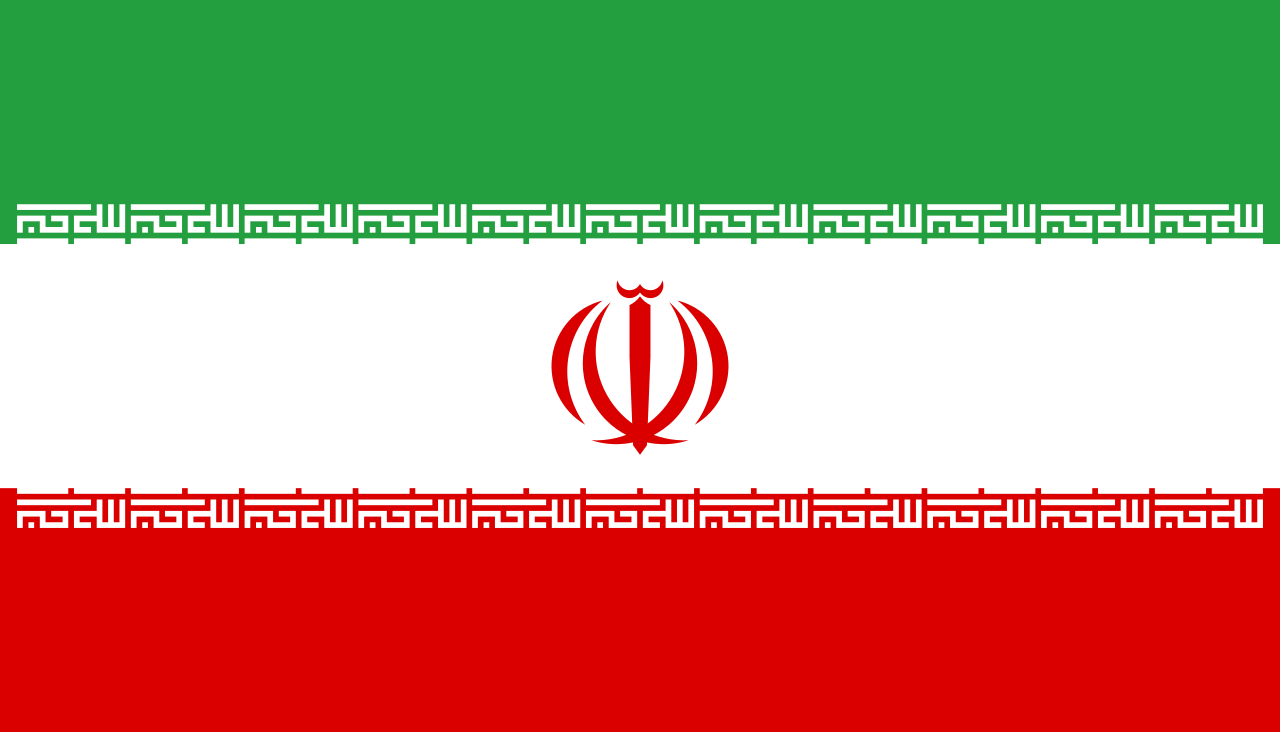
Geopolitical Tensions Overshadowing Sporting Ambitions for Iran World Cup 2026
The countdown to the FIFA World Cup 2026, set to be co-hosted by Canada, Mexico, and the United States from June 11 to July 19, has begun with less than 100 days remaining. Yet, for one nation, the anticipation is fraught with uncertainty. Iran, among the 48 nations expected to travel to North America, finds its participation in the global sporting spectacle mired in escalating geopolitical conflict. What started as a promising qualification campaign for Team Melli now faces an unprecedented challenge, casting a long shadow over the dreams of players and fans alike regarding the
Iran World Cup 2026 journey.
Recent events have drastically altered the landscape. A devastating series of attacks, launched by the US and Israel on Iran, resulted in a tragic loss of life, including Iran’s Supreme Leader Ali Khamenei, and ignited a broader regional conflict affecting 12 countries. Tehran’s response was swift and severe, with waves of missiles and drones targeting Israel and US military bases across the Middle East. This grave escalation has plunged the region into deeper turmoil, and its wide-ranging ramifications are now reaching into the world of sport, specifically questioning Iran’s place in the upcoming World Cup.
The severity of the situation is underscored by statements from high-profile figures. US President Donald Trump, commenting on the crisis, stated he doesn't "care if Iran participates in the World Cup or not," adding that he views Iran as "a very badly defeated country. They’re running on fumes." On the Iranian side, Mehdi Taj, president of the Football Federation of the Islamic Republic of Iran (FFIRI), expressed profound disappointment, telling local sports portal Varzesh3, "After this attack, we cannot be expected to look forward to the World Cup with hope." These candid remarks highlight the immense pressure and somber mood surrounding what should be a celebratory period for qualified nations.
The Uncharted Territory: Logistical & Diplomatic Hurdles for Iran World Cup 2026
The current geopolitical climate has thrust Iran’s World Cup participation into what experts describe as "uncharted territory." Simon Chadwick, a professor of Afro-Eurasian sport at the Emlyon Business School in Shanghai, points to a "serious doubt" over Iran's presence, particularly given that the United States is one of the host nations and directly involved in the conflict. The logistical and diplomatic hurdles appear monumental and, perhaps, insurmountable within the tight timeframe before the tournament kicks off.
A primary concern revolves around the practicalities of entry and security. As Chadwick observes, it is "very difficult" to envision the US government permitting Iranian players, backroom staff, and officials – including medics who typically accompany teams – to enter the country. The prevailing political sentiment and security risks associated with admitting a delegation from a nation currently in direct conflict with a host country present an unprecedented challenge. Unlike previous World Cups where political tensions might have simmered, the current situation involves active armed conflict, creating a profound security dilemma for the host authorities.
Beyond the immediate security and visa challenges, the optics of such participation would be intensely scrutinized. Allowing a team from a belligerent nation to compete on US soil during a period of heightened conflict could be perceived as a security lapse or a diplomatic concession, neither of which the US government is likely to consider. This forms the crux of the
US Co-Host Dilemma: Iran's World Cup 2026 Spot Under Scrutiny, where the principles of sporting inclusion clash dramatically with national security imperatives. FIFA, the global football governing body, has remained noncommittal, likely navigating a delicate balance between upholding sporting tradition and respecting the sovereign decisions of its member nations and hosts.
The logistical quagmire extends to travel arrangements, accommodation, and even the psychological impact on the Iranian team, should they be allowed to participate under such circumstances. Training camps, transportation, and daily movements would undoubtedly be subjected to extraordinary scrutiny and security measures, potentially detracting from the sporting focus. For Iran, a nation with a passionate football following and a long history in the World Cup, this predicament is a stark reminder of how deeply global politics can intertwine with the beautiful game.
The Painful Prospect of Withdrawal: A Difficult Decision for Iran
While the logistical and diplomatic obstacles to Iran's participation in the World Cup 2026 appear daunting, the decision to withdraw is far from straightforward for Tehran. As Professor Chadwick notes, Iran will "think very long and hard before walking away." A voluntary withdrawal, though potentially resolving the host nation's dilemma, carries significant weight and comes with a complex array of repercussions, both domestically and internationally.
Firstly, national pride is a powerful factor. Qualifying for the World Cup is a monumental achievement, a culmination of years of effort, sacrifice, and strategic planning by players, coaches, and the football federation. To withdraw would mean squandering this opportunity, disappointing millions of passionate Iranian fans who view Team Melli as a source of unity and national identity. The emotional investment in the *iran world cup 2026* campaign is immense, and forgoing it would be a painful concession.
Secondly, there are significant sporting implications. Withdrawal could affect Iran's FIFA ranking, future qualification chances, and the development trajectory of its players. Exposure to top-tier international competition is invaluable for player growth and the advancement of the national football program. Missing out on such an experience could set back Iranian football for years.
Potential Scenarios and Their Ramifications
The path forward is riddled with uncertainty, presenting several difficult scenarios:
*
Voluntary Withdrawal: Iran could, as suggested by experts, choose to withdraw, citing the insurmountable logistical challenges and the safety concerns for its delegation. This would avert a direct confrontation with FIFA or the US government but would be a massive blow to national morale and sporting aspirations. If Iran withdraws, FIFA would likely have to find a replacement team, possibly the highest-ranked nation that failed to qualify in Asia, or a nation from a different confederation based on specific criteria.
*
FIFA Intervention/Ban: If Iran insists on participating but is denied entry by the US, FIFA would be in an unprecedented position. While FIFA generally prohibits political interference in football, this situation involves a host nation's security concerns during active conflict. FIFA might be compelled to suspend Iran's membership or ban them from the tournament, though such a move would be controversial and potentially set a contentious precedent.
*
Last-Minute Diplomatic Breakthrough: While highly unlikely given the current escalation, a swift and dramatic de-escalation of tensions through intense diplomatic efforts could theoretically open a window for participation. However, the depth of the current conflict makes such a resolution appear remote, especially within the tight timeline before the tournament.
For Iran, the decision is not merely about football; it's a strategic calculus balancing national sovereignty, security, international relations, and the fervent desires of its populace. Walking away from the World Cup would signify a major political statement, emphasizing the profound impact of the conflict on everyday life and aspirations, even those on the sporting field.
Beyond the Headlines: The Human Element and Global Impact
Amidst the high-stakes geopolitical drama, it's crucial not to lose sight of the human element. For the players of Team Melli, the prospect of an Iran World Cup 2026 appearance represents the pinnacle of their careers. They have dedicated years, if not decades, to training, enduring rigorous qualification matches, and dreaming of representing their nation on the global stage. The uncertainty surrounding their participation is undoubtedly taking a significant toll, mentally and emotionally. Their aspirations, once seemingly within reach, are now held hostage by forces far beyond their control.
Similarly, the millions of Iranian football fans who follow their national team with fervent passion are left in limbo. The World Cup is more than just a series of games; it's a unifying force, a source of collective joy and pride that transcends social and political divides. To have this experience snatched away due to conflict would be a profound disappointment for an entire nation.
More broadly, this situation underscores the increasing entanglement of sports and geopolitics. The ideal of sports as an apolitical arena for fair competition and international camaraderie is continually challenged by global events. The World Cup, intended as a celebration of unity and athletic achievement, now risks becoming another casualty of international conflict. How FIFA and the international community navigate this unprecedented challenge could set significant precedents for future global sporting events, further blurring the lines between the playing field and the geopolitical stage.
Conclusion
The question of whether Iran will withdraw from the World Cup 2026 remains tragically open, hanging precariously in the balance as the global football community awaits clarity. The recent escalation of conflict in the Middle East has created an unprecedented dilemma, pitting geopolitical realities against sporting dreams. While the logistical and diplomatic hurdles to Iran's participation, particularly in the US, appear immense, the decision to withdraw is a complex and emotionally charged one for Tehran. Regardless of the outcome, this situation serves as a stark reminder of how profoundly international conflicts can impact even the most anticipated global events, forever altering the narrative of the beautiful game.