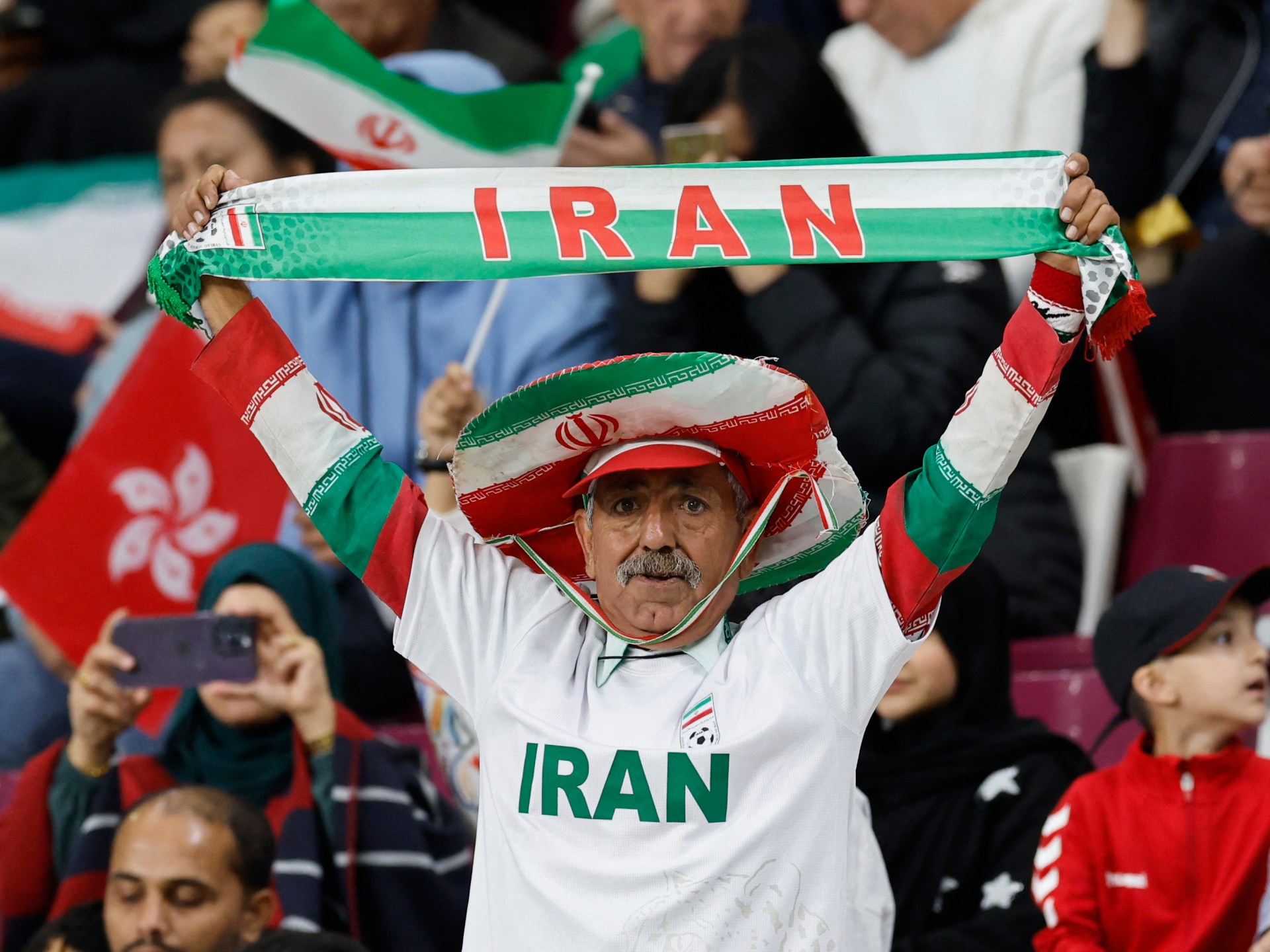
The global spectacle of the FIFA World Cup 2026, less than 100 days away, is typically a time of joyous anticipation for football fans worldwide. However, for one qualified nation, the excitement has been overshadowed by a rapidly escalating geopolitical crisis. Iran’s participation in the World Cup 2026 finds itself in serious doubt, caught in the crosshairs of a profound and deadly conflict in the Middle East. With the tournament set to be co-hosted by Canada, Mexico, and the United States, the involvement of a key host nation in direct armed confrontation with a participating team presents an unprecedented and deeply troubling dilemma for football’s governing body, FIFA, and the international community.
Scheduled to kick off on June 11 and run until July 19 across North America, the expanded 48-nation tournament promised to be a celebration of global unity through sport. Yet, the recent wave of hostilities has plunged Iran’s expected presence into a logistical and diplomatic quagmire that appears increasingly insurmountable. The ramifications extend far beyond the pitch, touching upon international law, national security, and the very spirit of fair play.
The Geopolitical Storm: Unpacking the Conflict's Impact on Iran World Cup 2026 Hopes
The immediate catalyst for this precarious situation is the dramatic escalation of conflict involving Iran, the United States, and Israel. Recent events have seen a series of devastating attacks and retaliations that have claimed numerous lives and spread instability across 12 countries in the region. Specifically, US and Israeli forces launched strikes on Iran, resulting in the deaths of at least 1,045 people, including Iran's Supreme Leader Ali Khamenei. This constitutes an act of immense geopolitical significance, the likes of which have not been seen for decades.
Escalating Tensions and Fatalities
Tehran’s response was swift and forceful, unleashing waves of missiles and drones against Israel and several US military bases operating within the Middle East. This tit-for-tat escalation has created an intensely volatile environment, pushing diplomatic relations to a breaking point. The gravity of these events cannot be overstated, transforming what might have been a routine visa application process for the Iranian national team into a complex international incident. The idea of athletes and officials from a nation currently engaged in armed conflict with one of the host countries entering its borders for a sporting event becomes profoundly problematic.
Official Reactions and Uncertainty
The uncertainty surrounding Iran's involvement has been palpable in official statements. US President Donald Trump, addressing the issue, expressed a dismissive stance: "I think Iran is a very badly defeated country. They’re running on fumes," Trump told Politico, indicating little concern from the American side regarding Iran’s potential absence. This statement underscores a significant lack of diplomatic goodwill from a key host nation towards Iran.
Within Iran, the sentiment is equally somber. Mehdi Taj, president of the Football Federation of the Islamic Republic of Iran (FFIRI), articulated the deep despair within the country’s football circles. "After this attack, we cannot be expected to look forward to the World Cup with hope," Taj told Varzesh3, a local sports portal. This candid admission from the head of Iran's football body highlights the profound psychological and emotional toll the conflict is taking, making it difficult for players and officials to focus on the tournament.
Both FIFA and the FFIRI have maintained a noncommittal public stance, reflecting the sensitive and unprecedented nature of the situation. As the world's 20th-ranked football nation, Iran's potential exclusion would be a significant loss for the tournament, but the geopolitical realities appear to be outweighing sporting considerations.
The Host Nation Dilemma: US Entry Restrictions and FIFA's Challenge
The crux of the matter lies in the United States being a co-host of the 2026 FIFA World Cup. While Canada and Mexico are also hosts, the majority of the matches, including crucial knockout stages, are expected to be held on US soil. This immediately raises significant concerns about the practicality and legality of Iranian players, coaching staff, and support personnel entering American territory.
Visa Hurdles and Security Concerns
Simon Chadwick, a prominent expert in sports and geopolitics at the Emlyon Business School in Shanghai, has emphasized the severity of this issue. "It's very difficult to see the US allowing players, backroom staff and officials to enter the country," Chadwick told Al Jazeera. He elaborated, stating, "The US will not be keen to admit [Iranian] players, officials or medics – who normally travel alongside teams to tournaments." Given the armed conflict, the US government would likely cite national security concerns as a primary reason for denying visas. This isn't merely a political preference; it would be a direct enforcement of border security protocols against a perceived adversary.
The logistical nightmare is undeniable. Even if a diplomatic solution were to be forged, the timelines are extremely tight. Obtaining visas for a large contingent of athletes and staff, undergoing rigorous background checks, and ensuring safe passage would typically require months, not weeks. The current hostile environment makes such a smooth process virtually impossible. For a deeper dive into the complexities faced by the host nation, read our related article: US Co-Host Dilemma: Iran's World Cup 2026 Spot Under Scrutiny.
FIFA's Stance and Precedent
FIFA, as the global governing body for football, typically strives to keep politics out of sport. However, this situation transcends traditional political interference. It involves active military conflict between a host nation and a participant. FIFA's statutes mandate that host nations must grant entry to all qualified teams, but these rules often have clauses related to national security. The dilemma for FIFA is whether to uphold the integrity of the tournament by ensuring all qualified teams participate, or to acknowledge the very real security concerns of a sovereign host nation. There is no easy precedent for such an extreme scenario.
Practical Tip: While FIFA's power is significant, it cannot compel a sovereign nation to compromise its national security. Any resolution would likely require a significant diplomatic breakthrough or a decision by Iran itself.
Iran's Difficult Choice: Withdrawal or Hope for a Miracle?
For Iran, the decision of whether to participate or withdraw from the World Cup 2026 is fraught with immense difficulty, both politically and emotionally. Despite the mounting obstacles, experts suggest that walking away won't be an easy choice.
The Sporting and Political Ramifications
Simon Chadwick highlighted this challenge, noting that Iran will "think very long and hard before walking away." The reasons are multi-faceted:
- National Pride and Sporting Achievement: Qualification for the World Cup is a monumental achievement for any nation, representing years of dedication, investment, and the dreams of millions of fans. To voluntarily withdraw would be a significant blow to national morale and pride.
- Player Aspirations: For many players, the World Cup is the pinnacle of their careers. Denying them this opportunity would be heartbreaking and could have long-term psychological impacts.
- Financial Implications: Participation brings significant financial benefits, including prize money, sponsorship opportunities, and increased tourism. Withdrawal would mean foregoing these substantial gains.
- Political Messaging: Withdrawal could be seen as bowing to external pressure or a sign of weakness, which the Iranian government might be keen to avoid, despite the practical difficulties. Conversely, attempts to force participation could be viewed as a strong political statement.
Potential Scenarios and Timelines
As the tournament rapidly approaches, several scenarios could unfold:
- Forced Exclusion: The US formally denies visas to the Iranian delegation, making participation impossible. This would place FIFA in a difficult position to either replace Iran or proceed with 47 teams.
- Voluntary Withdrawal: Iran, acknowledging the insurmountable logistical and security challenges, and potentially unwilling to face humiliation or further diplomatic tension, opts to withdraw from the tournament. This would be a painful but potentially pragmatic decision. Explore this scenario further in our detailed analysis: Will Iran Withdraw? Analyzing World Cup 2026 Chances Amid Crisis.
- Last-Minute Diplomatic Resolution: While highly unlikely given the current climate, a dramatic de-escalation of tensions and a diplomatic agreement could potentially pave the way for Iran's participation. This would require an extraordinary shift in international relations in an extremely short timeframe.
The window for a resolution is closing rapidly. With the tournament less than 100 days away, decisions need to be made soon to allow for any alternative arrangements or for Iran to prepare adequately, should a miracle occur.
Broader Implications for Global Sports and Diplomacy
The potential exclusion of Iran from the World Cup 2026 carries implications that extend far beyond the immediate tournament. It underscores the increasing vulnerability of global sporting events to geopolitical crises. In an increasingly interconnected and often volatile world, the ideal of sports as a unifying force, impervious to political strife, faces severe challenges.
This situation could set a concerning precedent for future major international competitions. How will host nations manage participation from countries with which they have strained or hostile relations? What role will international sports federations like FIFA play in navigating such complex political landscapes? The incident highlights the urgent need for robust frameworks and protocols that can address these extraordinary circumstances, ensuring both the safety and security of all participants and the integrity of the competitions.
The global football community, and indeed the world, will be watching closely to see how this unprecedented situation resolves itself. The decisions made in the coming weeks will undoubtedly shape not only the composition of the FIFA World Cup 2026 but also the delicate interplay between sport and international politics for years to come.
Conclusion
The prospect of Iran's participation in the World Cup 2026 is clouded by a severe and rapidly unfolding geopolitical crisis. With direct armed conflict involving a host nation and Iran, coupled with explicit statements from US leadership and profound pessimism from Iranian football officials, the path to North America for the national team appears fraught with insurmountable obstacles. While a formal decision is yet to be announced by FIFA or the Iranian Football Federation, the prevailing expert opinion points towards a highly improbable presence for Iran at the tournament. This complex scenario not only challenges the principles of global sports but also serves as a stark reminder of how deeply international politics can impact even the most unifying of human endeavors.